Pico Laser Machine 532nm 1064nm 1320nm for Tattoo Removal & Carbon Peel | ZENI

$5,000.00

🚢
Free Shipping
3-5 days · Tracking

🛡️
After-Sales Support
2-year service · Tech support

✅
CE Certified
Professional grade

Get instant quote & assistance

100 in stock

Description

ZENI · 532nm + 1064nm + 1320nm · THREE-WAVELENGTH PICO LASER

Tattoo Removal. Pigment Correction. Carbon Peel. One Machine.

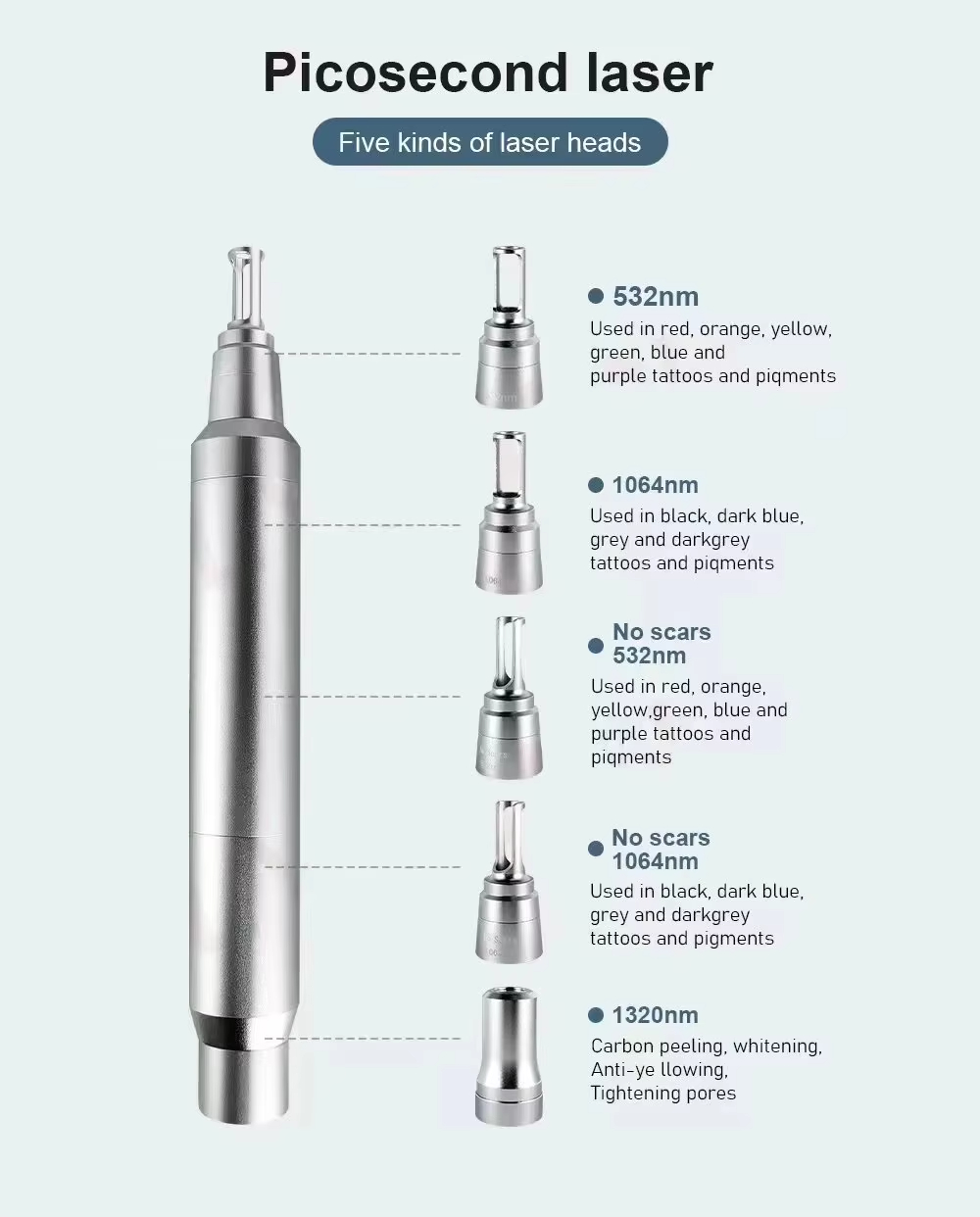
The pico laser machine 532nm 1064nm 1320nm combines three wavelengths in a single platform for tattoo removal, eyebrow washing, pigment removal, freckle removal and carbon peel skin rejuvenation. The 1064nm wavelength targets deep dermal pigment and dark tattoo inks, 532nm addresses superficial pigments and red/orange inks, and 1320nm enables carbon peel treatments for pore refinement and skin brightening. Four laser tips are included for wavelength switching without changing the handpiece.

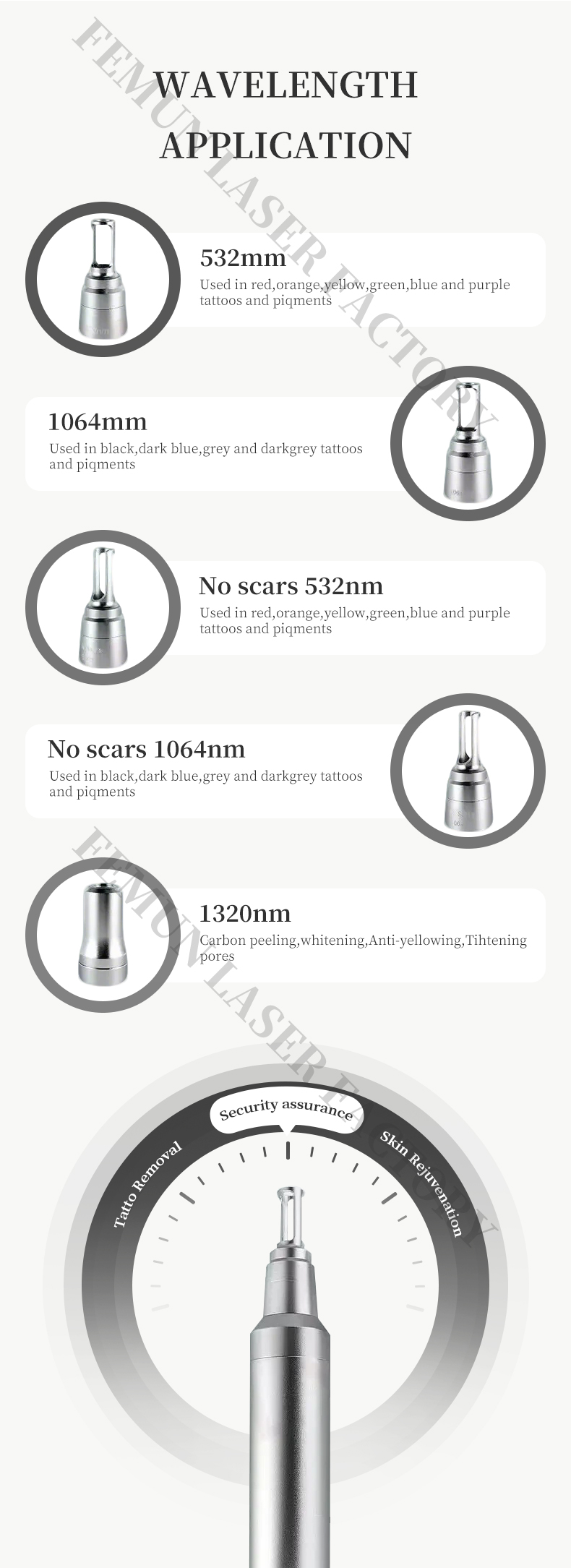
THREE WAVELENGTHS

532nm / 1064nm / 1320nm

Three wavelengths cover superficial pigment, deep dermal pigment and carbon peel applications from one handpiece.

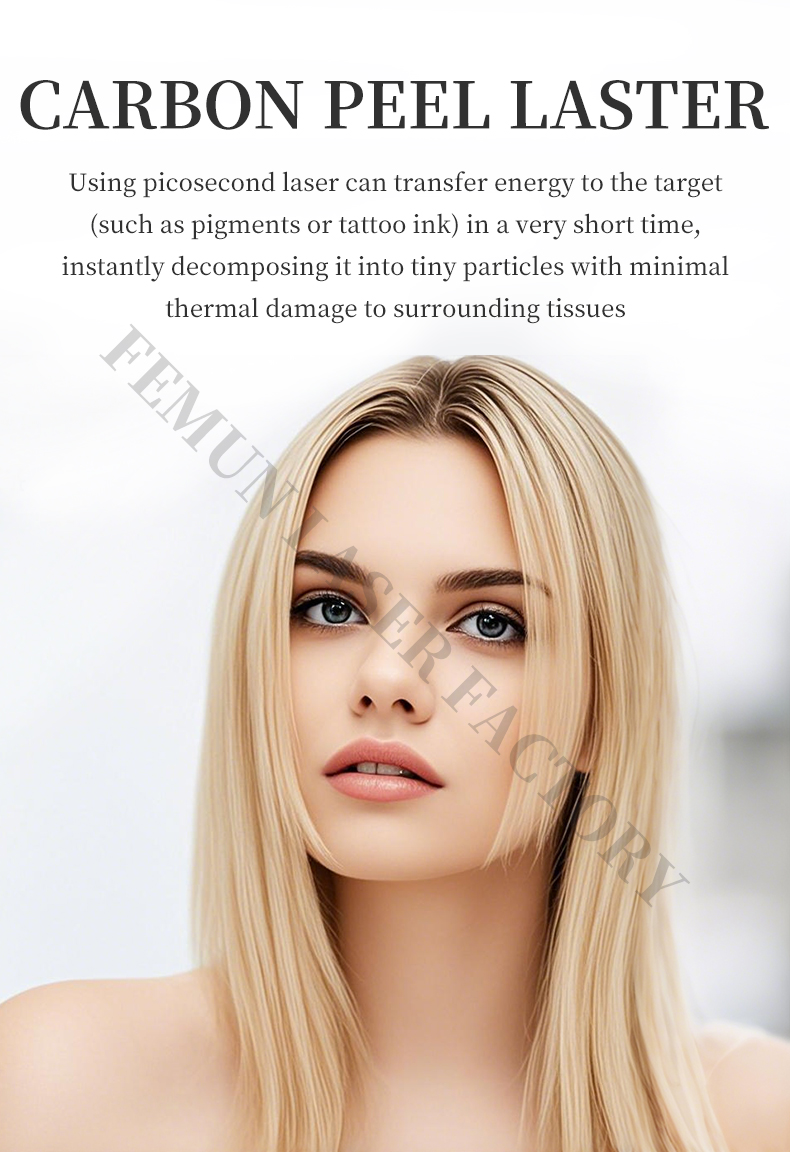
CARBON PEEL

1320nm Hollywood Peel

The 1320nm wavelength targets water and dermal tissue for pore refinement, oil control and skin brightening.

4 LASER TIPS

Wavelength Switching Made Easy

Includes four laser tips (1064nm, 532nm, 1320nm) for quick wavelength changes without replacing the handpiece.

SUPPORT

CE & 2-Year Service

CE certified with 2-year service support and technical assistance for professional salon use.

Why Three Wavelengths Make a Practical Difference

Each wavelength targets a different chromophore and depth. The 1064nm wavelength is absorbed by dark pigments and penetrates deeply, making it effective for black, blue and brown tattoos as well as deep dermal melanin. The 532nm wavelength targets superficial pigments — red, orange, pink and brown inks and epidermal pigmentation such as freckles and sun spots. The 1320nm wavelength targets water in the dermis, which is the mechanism behind carbon peel treatments. A clinical trial comparing Q-switched and picosecond 1064nm lasers found that the picosecond system achieved significantly higher excellent clearance (78.1% vs. 54.4%, p=0.029) and required fewer median treatment sessions (3 vs. 4, p=0.020) for tattoo removal[reference:6]. For carbon peel, the 1320nm wavelength combined with a medical-grade carbon lotion is one of the most popular applications — a high-margin, zero-downtime treatment that addresses enlarged pores, oily skin and uneven tone[reference:7]. Explore our pigmentation treatment options for related service planning.

01 / Treatment Applications

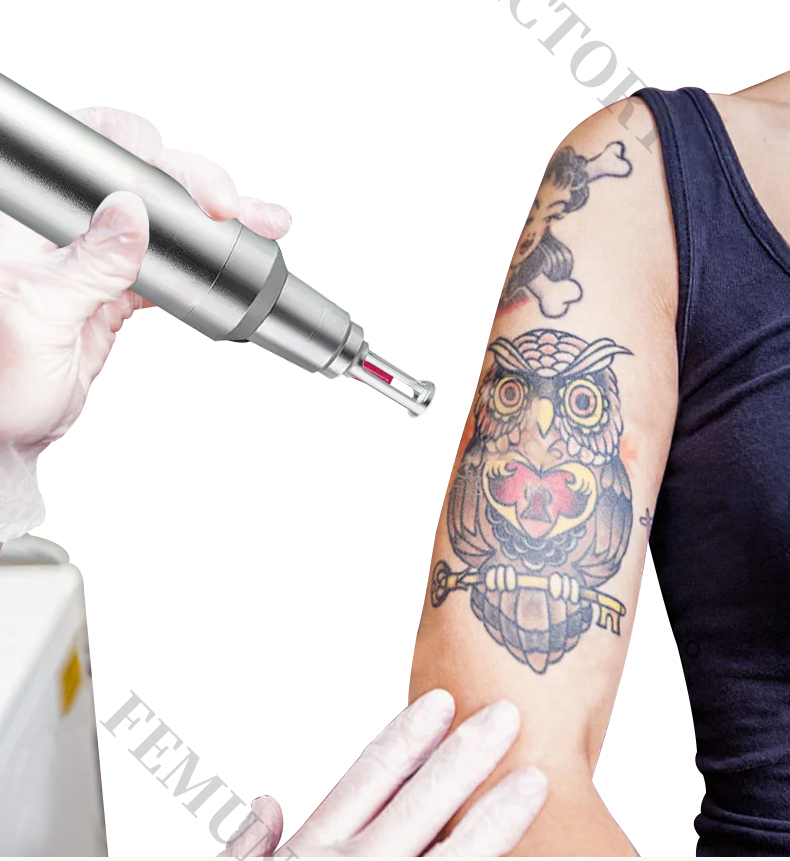
Tattoo Removal & Eyebrow Washing

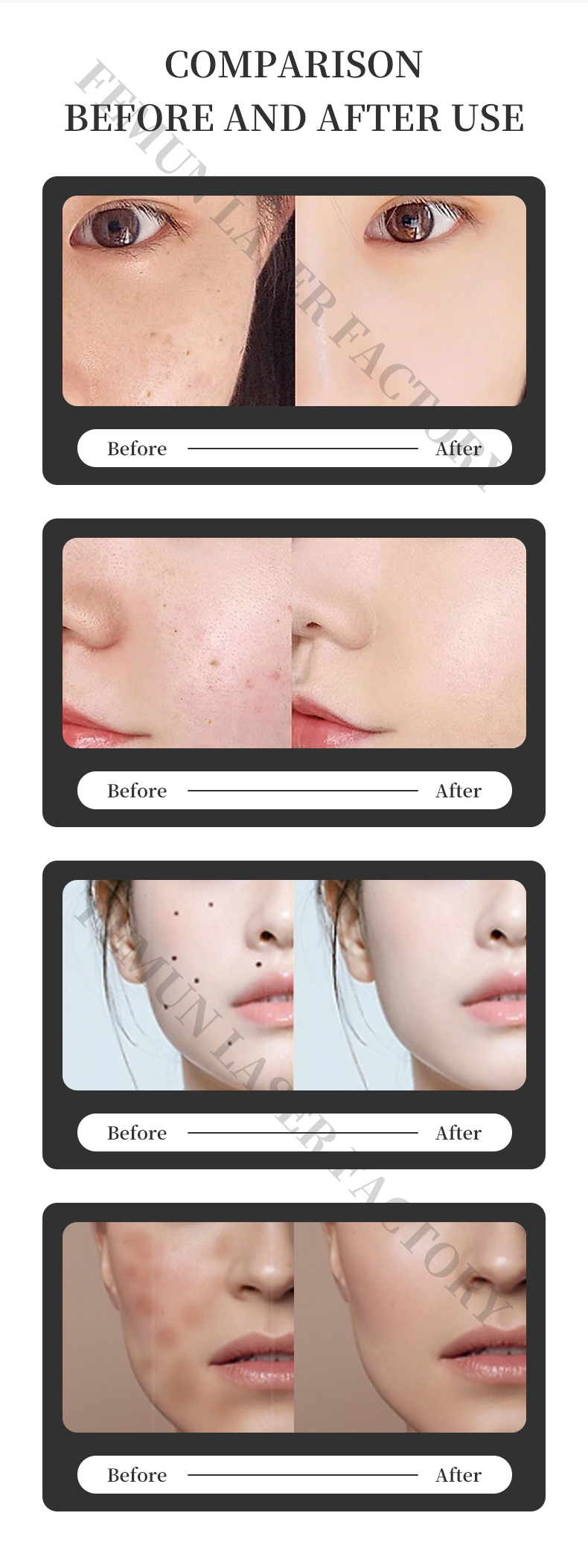
The 1064nm wavelength is effective for black, blue and brown tattoos, while 532nm targets red, orange and pink inks. A systematic review of 46 studies found that Nd:YAG lasers achieve meaningful clearance of black and blue tattoo pigments in most studies, generally requiring 4–8 sessions to reach ≥75% clearance, with picosecond systems potentially achieving similar clearance with fewer sessions[reference:8]. Eyebrow tattoos and cosmetic tattoos also respond to pico laser treatment. Ink colours, depth and tattoo history affect treatment planning and the number of sessions.

Pigment Removal & Freckle Treatment

The 532nm and 1064nm wavelengths address benign pigmented lesions including freckles, sun spots, age spots and melasma. The picosecond pulse duration creates a stronger photomechanical effect than nanosecond lasers, breaking pigment particles into smaller fragments that are more readily cleared through biological mechanisms[reference:9]. The 1064nm wavelength is preferred for deeper pigmentation and darker skin tones, while 532nm targets epidermal pigment. The nature of each pigmented concern must be assessed before treatment.

Carbon Peel (Hollywood Peel)

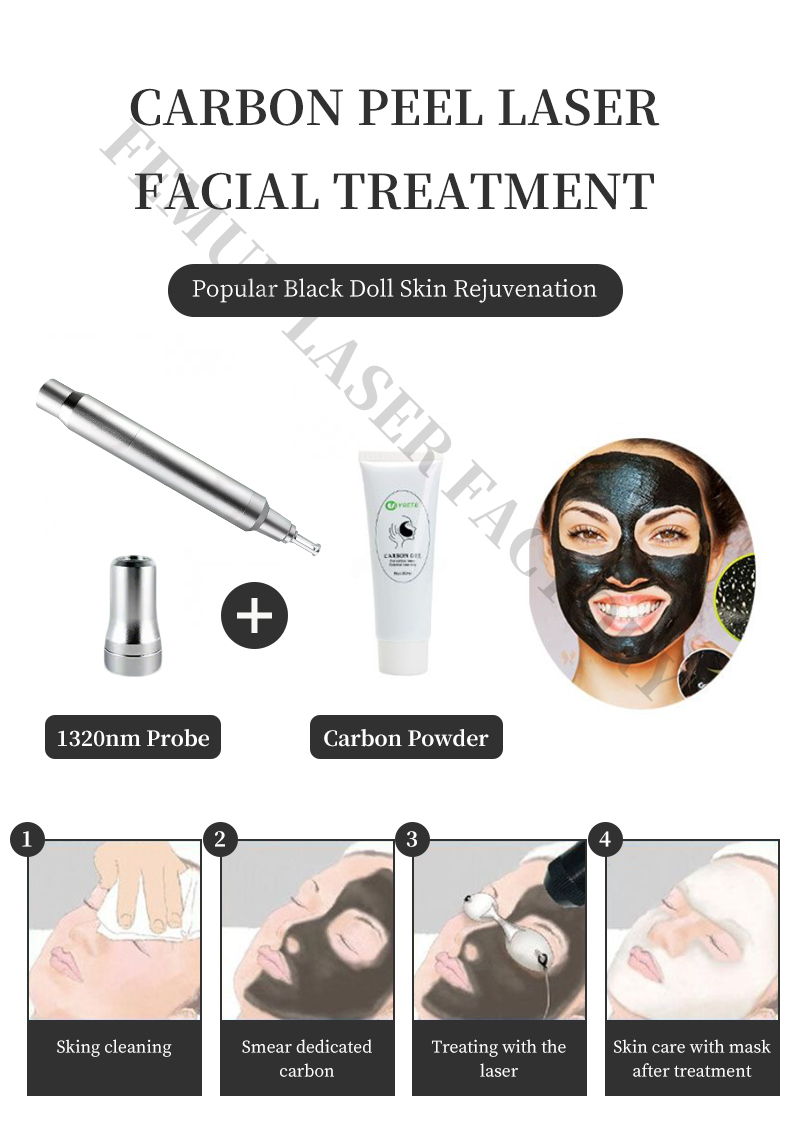
The 1320nm wavelength, combined with a medical-grade carbon lotion, performs the carbon laser peel — also known as the Hollywood Peel. Carbon particles are applied to the skin and penetrate pores. When the 1320nm laser is applied, it targets the carbon particles and creates micro-explosions that exfoliate the epidermis, tighten pores and stimulate collagen. This treatment is popular for oily skin, enlarged pores, acne-prone skin and uneven tone. It is a zero-downtime procedure suitable for lunchtime appointments[reference:10].

Skin Rejuvenation & Anti-Aging

Pico laser energy stimulates collagen production through controlled thermal and mechanical effects. This improves skin texture, fine lines and overall skin quality. The treatment is non-invasive with minimal downtime, making it suitable for clients seeking gradual skin improvement without surgery.

02 / How Pico Laser Works

Photomechanical Effect vs. Photothermal Effect

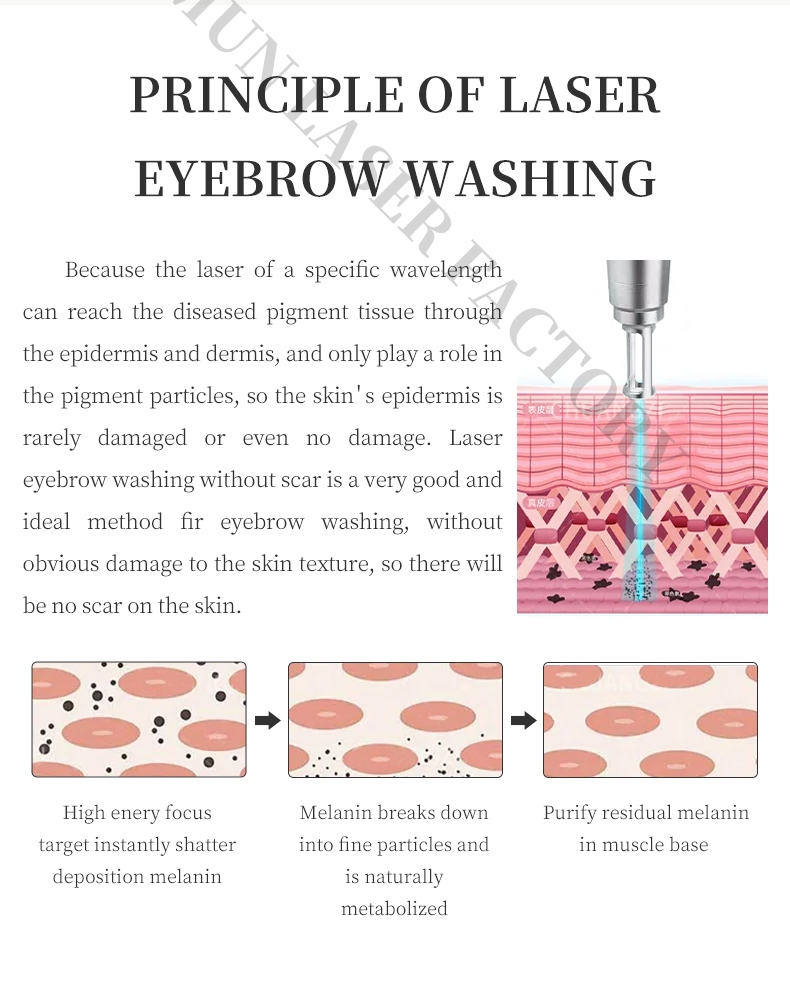
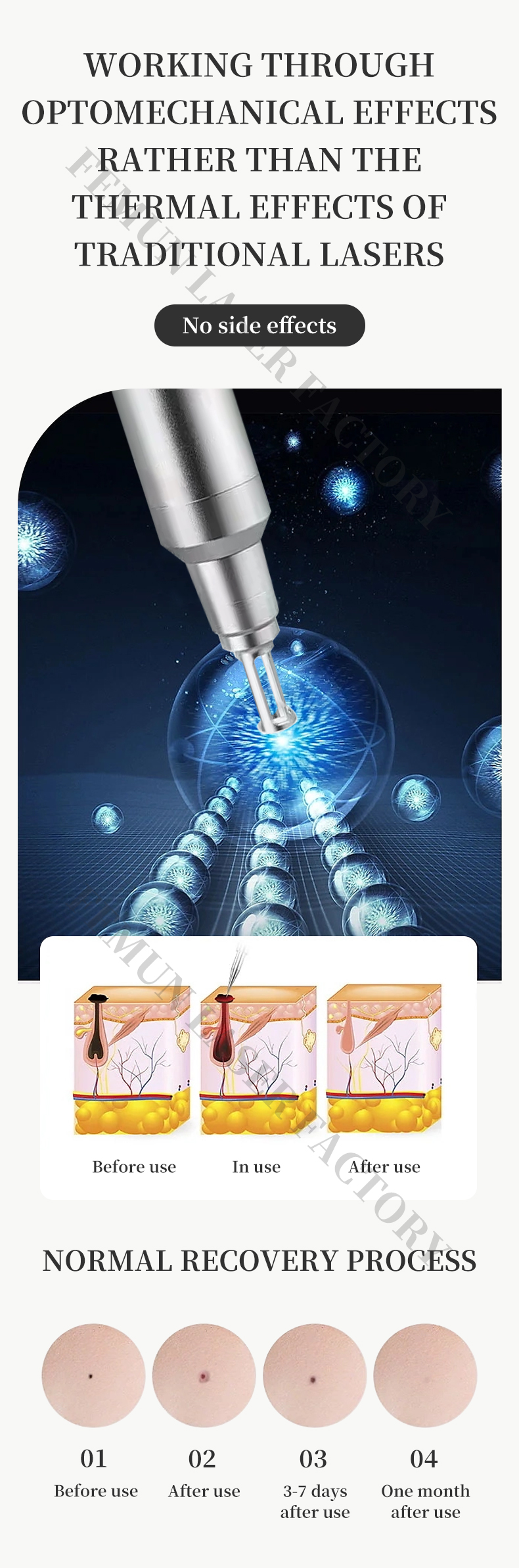
Traditional nanosecond Q-switched lasers work primarily through photothermal action — heating the pigment and surrounding tissue. Picosecond lasers use ultra-short pulses that are 100 times shorter than nanosecond pulses, triggering a photomechanical effect. The laser energy creates a pressure wave that shatters pigment particles into tiny fragments without relying on heat. This allows for more effective treatment with roughly half the energy required compared to Q-switched lasers[reference:11].

Wavelength & Chromophore Targeting

Each wavelength targets specific chromophores. The 1064nm wavelength is absorbed by black, blue and brown pigments and penetrates deeply into the dermis. The 532nm wavelength is absorbed by red, orange and brown pigments and works at a more superficial level. The 1320nm wavelength is absorbed by water in the dermis and is used for carbon peel treatments. This multi-wavelength capability allows one system to address a broad range of pigment and tattoo concerns.

Pigment Clearance Process

After laser fragmentation, pigment particles are removed through immune-mediated processes. Fragmented tattoo pigment is phagocytosed by dermal macrophages and cleared through repeated cycles of uptake, cell death and recapture. Pigment may also migrate through lymphatic pathways. This is a prolonged biological process — pigment elimination continues between treatment sessions through transepidermal extrusion and immune-mediated clearance[reference:12]. Learn more about aesthetic laser technology for clinical background.

03 / Product Configuration
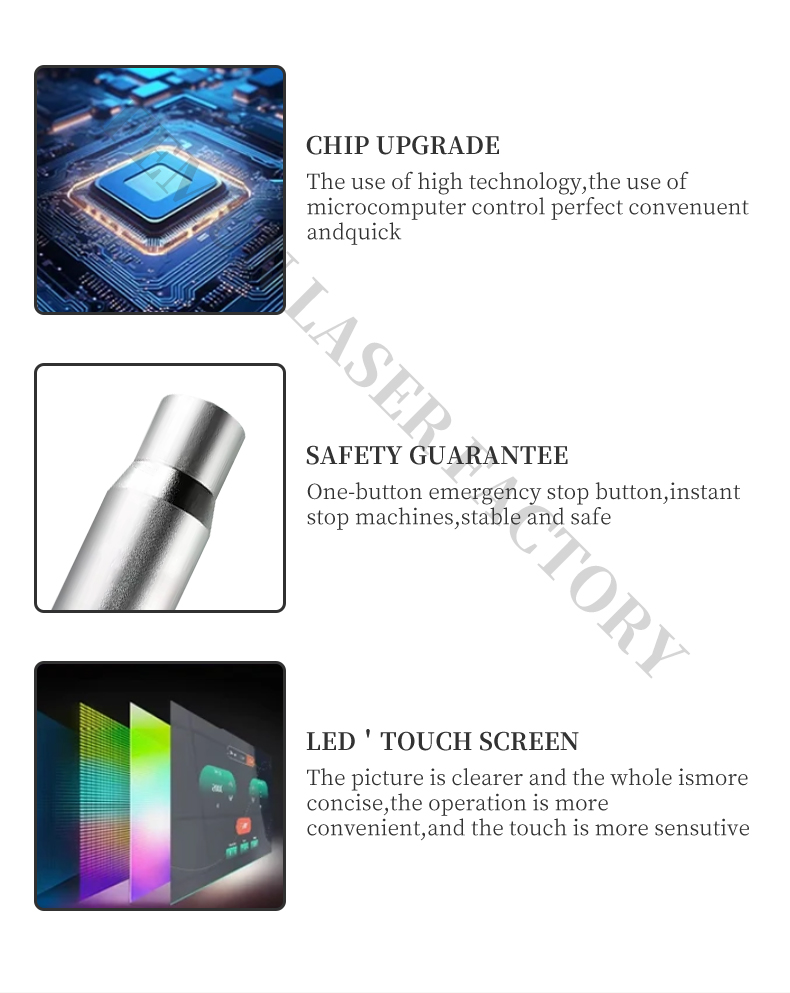
System Type Nd:YAG picosecond laser system
Wavelengths 532nm / 1064nm / 1320nm
Core Applications Tattoo removal, eyebrow washing, pigment removal, freckle removal, carbon peel, skin rejuvenation
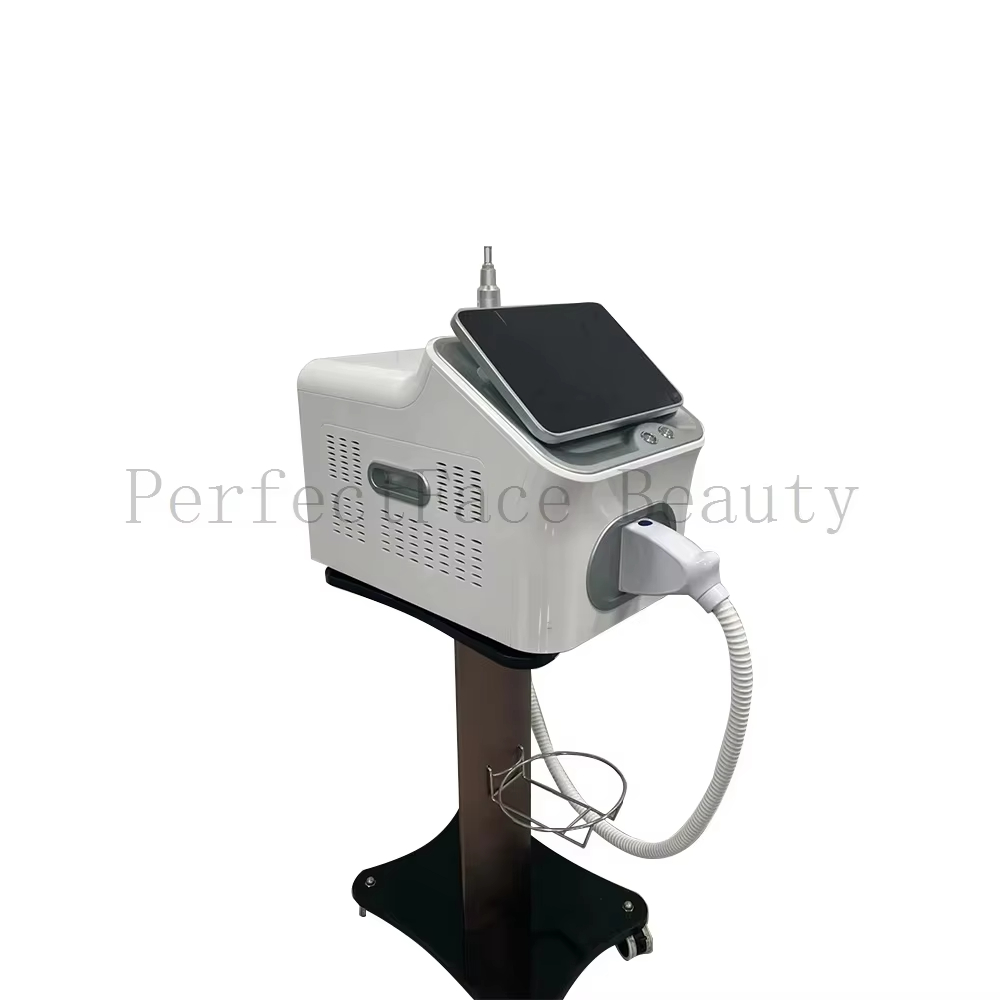
Handpiece ND:YAG laser handle with 4 laser tips (1064nm, 532nm, 1320nm)
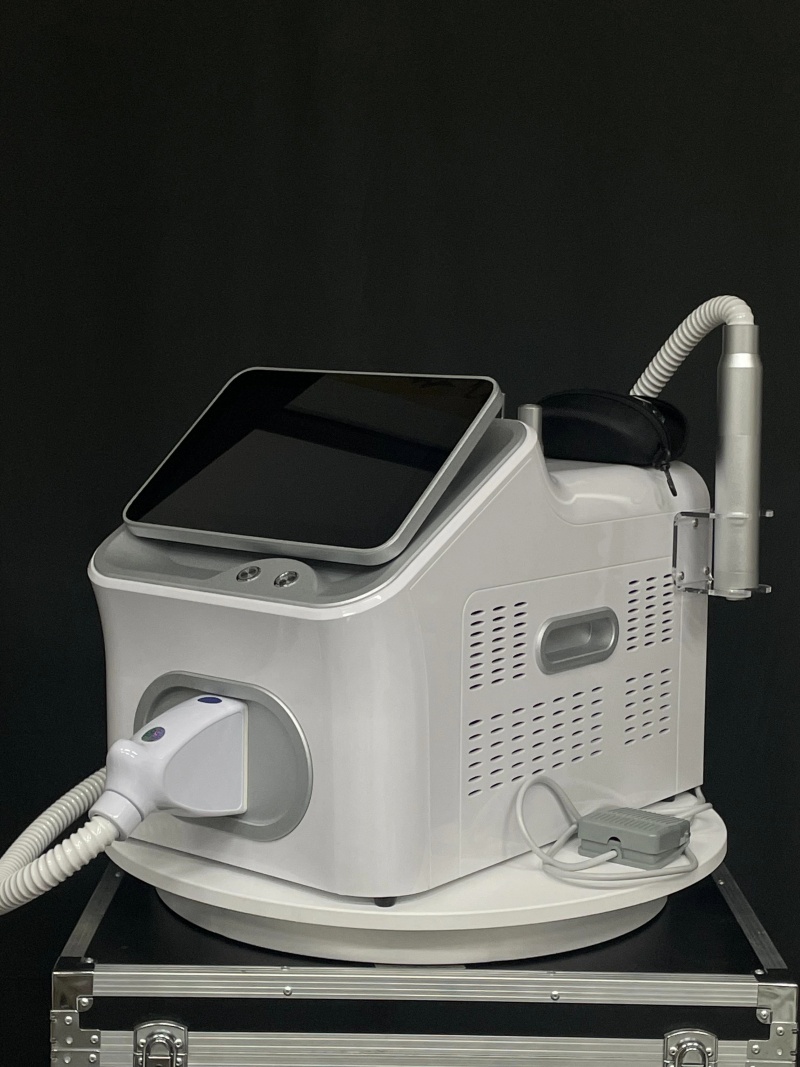
Equipment Format Portable/desktop cabinet
Certification CE certified
Service Support 2-year service support

Laser type, output power, energy density, pulse duration, frequency, spot size, screen size, cooling system, dimensions, weight and voltage should be confirmed in the model-specific specification sheet. Industry-typical specifications for comparable pico laser systems include energy density 10–2000mJ, frequency 1–10Hz, spot size 1–10mm, 8.4-inch TFT LCD screen, water + air cooling, 500–1000W output power and 23kg net weight.

04 / Buyer Questions

What is carbon peel and how does it work?

Carbon peel (also called the Hollywood Peel) uses a medical-grade carbon lotion applied to the skin, followed by 1320nm laser treatment. Carbon particles penetrate pores, and when the laser is applied, it targets the carbon and creates micro-explosions that exfoliate the skin, tighten pores and stimulate collagen. It is a zero-downtime treatment popular for oily skin, enlarged pores and uneven tone[reference:13].

How many sessions are needed for tattoo removal?

It depends on the tattoo size, ink colours, depth and skin type. A systematic review found that Nd:YAG lasers generally require 4–8 sessions to reach ≥75% clearance for black and blue pigments[reference:14]. A clinical trial comparing Q-switched and picosecond 1064nm lasers found that the picosecond system required fewer median sessions (3 vs. 4, p=0.020) and achieved higher excellent clearance (78.1% vs. 54.4%, p=0.029)[reference:15]. Amateur tattoos respond more favourably than professional tattoos, and coloured pigments may require more sessions.

Is the treatment painful?

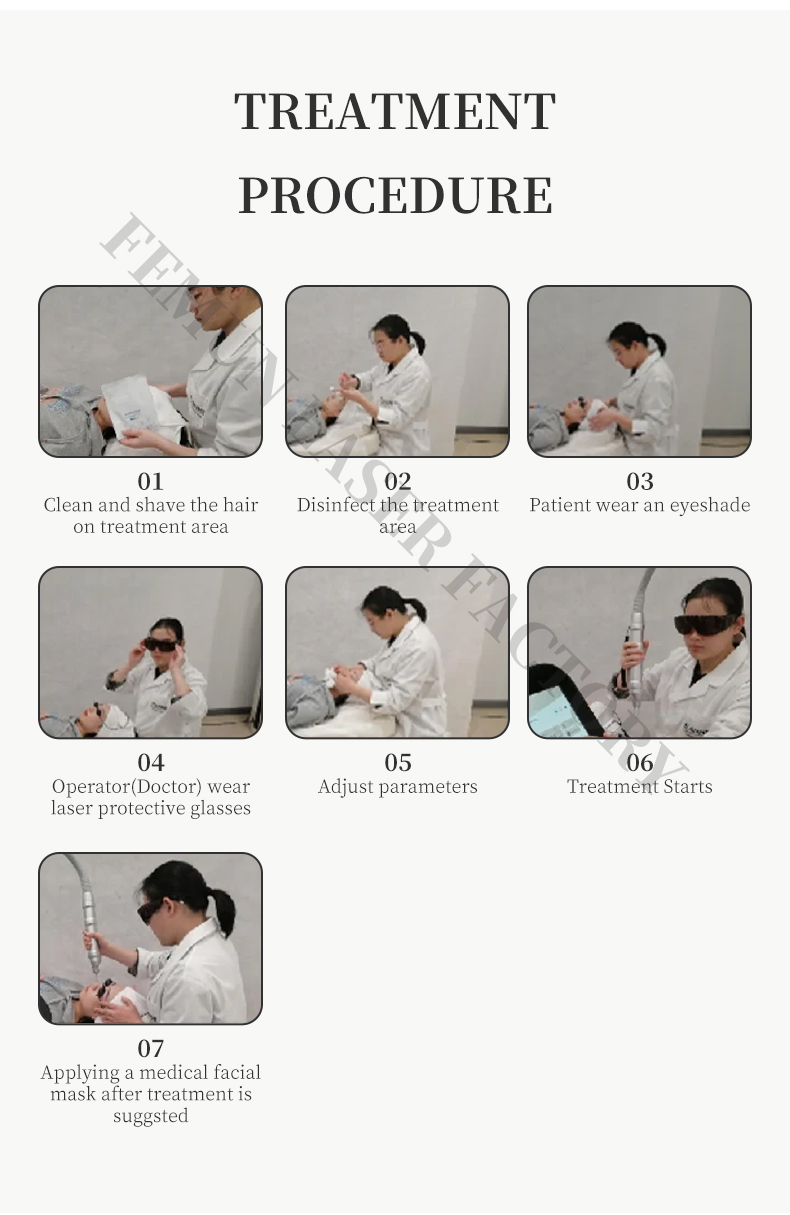
Most clients describe the sensation as a brief snapping or warm pricking feeling. Topical anesthesia may be applied for tattoo removal or larger treatment areas. No downtime is typically required, though mild redness or swelling may occur and typically subsides within hours.

How is this different from ZENI’s other pico laser machines?

This model features three wavelengths (532nm/1064nm/1320nm) with carbon peel capability, making it ZENI’s most comprehensive pico laser platform for pigment and skin rejuvenation. ZENI’s portable pure pico laser focuses on tattoo and pigment removal without the carbon peel 1320nm wavelength. The 2-in-1 diode + pico machines combine hair removal with pico laser in a dual-handpiece format. This model is the better choice for clinics wanting maximum wavelength coverage and carbon peel service from one system.

What should I request with the quotation?

Ask for the model-specific specification sheet covering laser type, output power, energy density, pulse duration, frequency, spot size, screen size, cooling system, dimensions, weight and voltage. Confirm the complete accessory list including all 4 laser tips, protective goggles, foot pedal and power cord. Verify that CE or relevant certification documentation is included.

THREE WAVELENGTHS · TATTOO REMOVAL · CARBON PEEL

Bring Comprehensive Pico Laser Services to Your Salon

Contact ZENI with your treatment goals, target services and order quantity. Request a quotation covering the system, all laser tips, accessories and support needed for your tattoo removal and skin rejuvenation service line.

Reviews

There are no reviews yet.

Be the first to review “Pico Laser Machine 532nm 1064nm 1320nm for Tattoo Removal & Carbon Peel | ZENI”

Your email address will not be published. Required fields are marked *