
ZENI / Energy Delivery Technology
Scanning &
Energy Delivery.
Precision control for how therapeutic energy reaches the treatment area.
Explore how scanning patterns, handpiece design, and delivery controls shape the way energy is applied in professional aesthetic equipment.
Pattern · Placement · Delivery
01 / The Fundamentals
The energy source
is only part of the system.
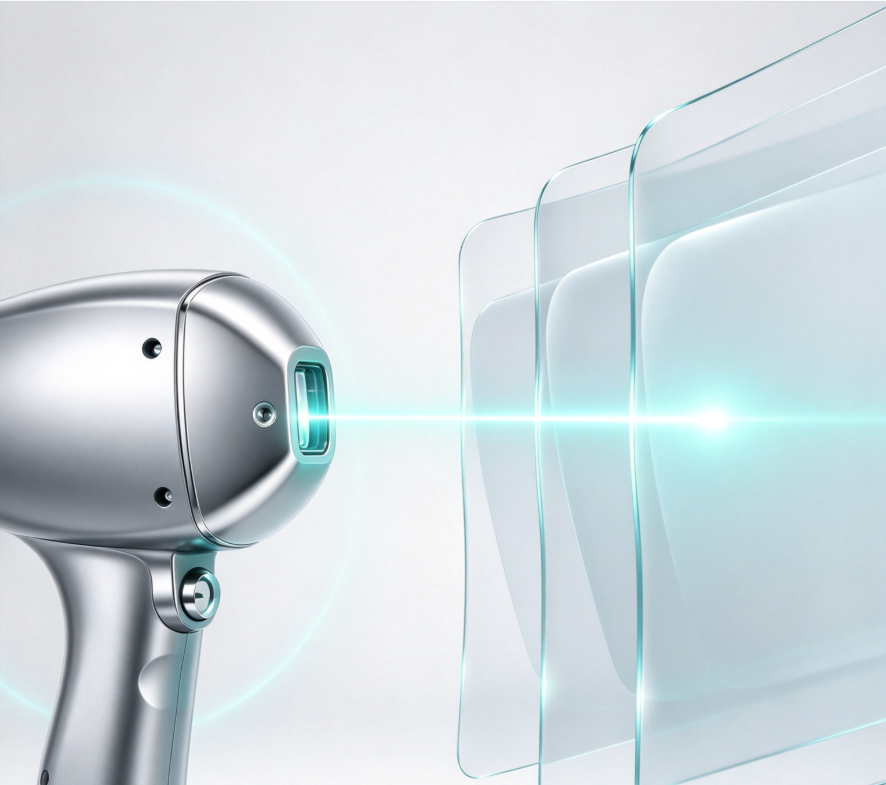
Energy delivery technology describes how energy reaches the treatment area. In laser equipment, a scanner can control the placement of the beam across a selected pattern. The laser source and the delivery system perform different roles within the platform.
For professional buyers, aesthetic energy delivery is a system-level consideration: review the source, compatible handpieces, available controls, and documented applications together.
02 / Key Considerations
Understand how
delivery is controlled.
Compare the functions available on the exact model, including the scanner or handpiece supplied with it.
01 / PATTERN
Coverage geometry
Review supported scan shapes and dimensions. Confirm which pattern controls are available with each compatible scanner.
02 / PLACEMENT
Spacing and sequence
Ask how the system defines spot placement, spacing, and scan order. Do not assume that different manufacturers use the same density scale.
03 / TIMING
Pulse and scan controls
Distinguish laser pulse settings from scanner movement and pattern repetition. Request clear definitions for the controls shown in the interface.
04 / COMPATIBILITY
Complete delivery path
Confirm compatibility between the laser source, delivery assembly, optics, handpiece, and software configuration.
03 / Delivery Approaches
Four approaches.
One delivery framework.
Energy delivery is not limited to optical scanning. Different aesthetic technologies use different mechanisms to control where, how deeply, and in what pattern energy reaches the treatment area. The four approaches below describe how this is achieved across laser, optical, and array-based systems.
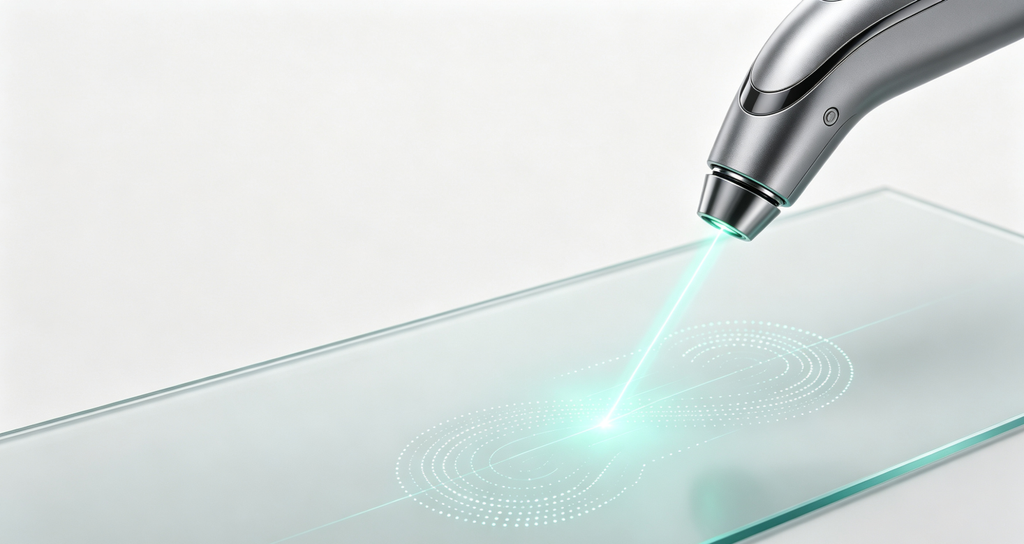
01 / SCANNING
Scanner-Guided Delivery
Beam positioning through defined patterns, coverage areas, and scan sequences. The scanner controls how the laser beam is placed across the treatment area.
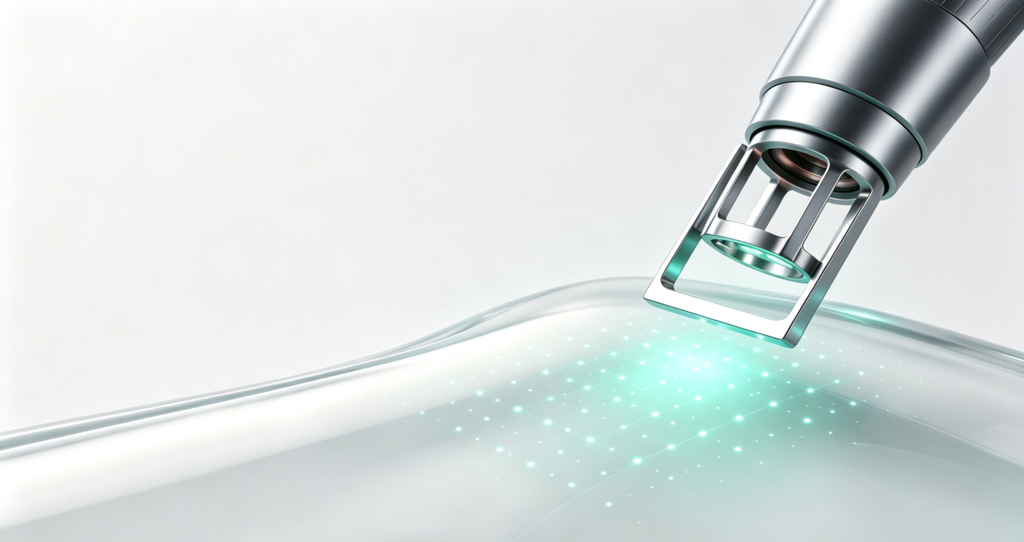
02 / FRACTIONAL
Fractional Energy Delivery
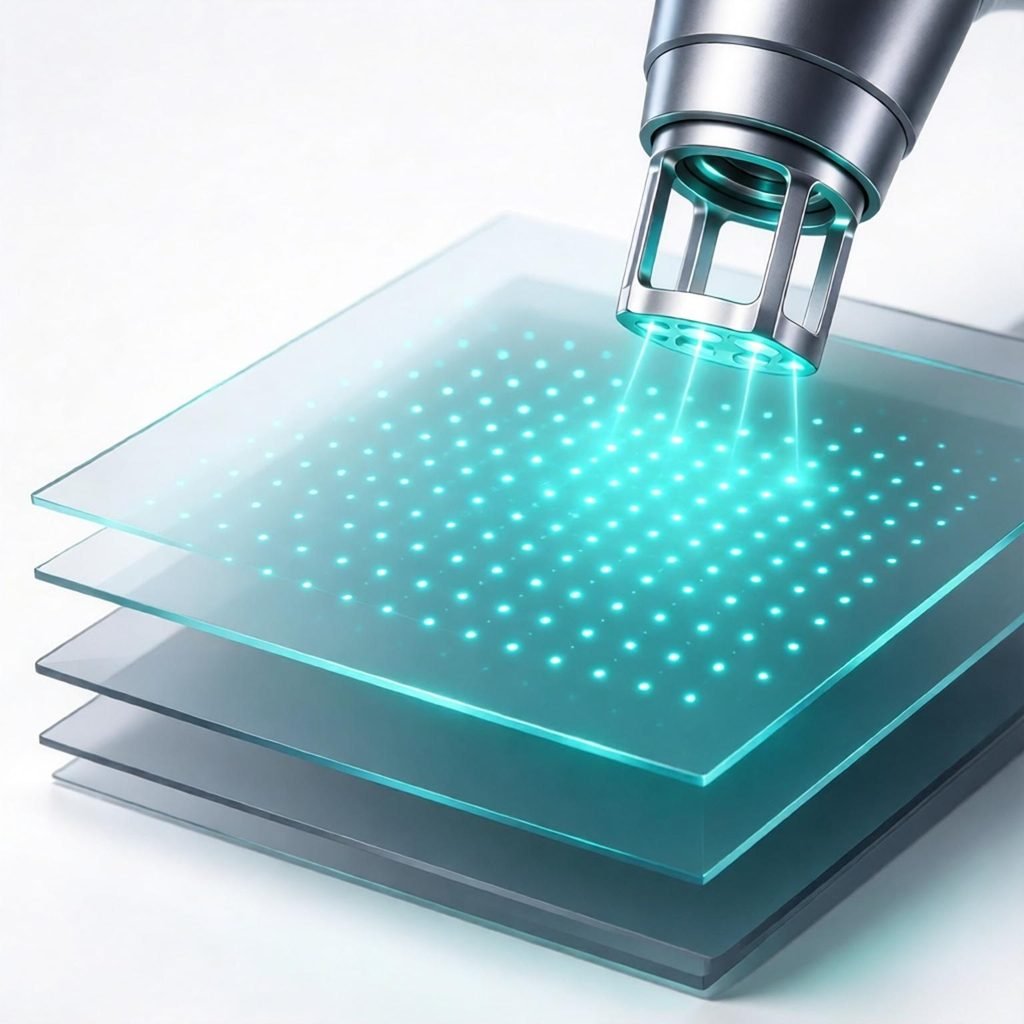
Separated treatment spots create controlled coverage while leaving intervening tissue untreated. Fractional patterns can be produced by scanning systems or dedicated optical handpieces.
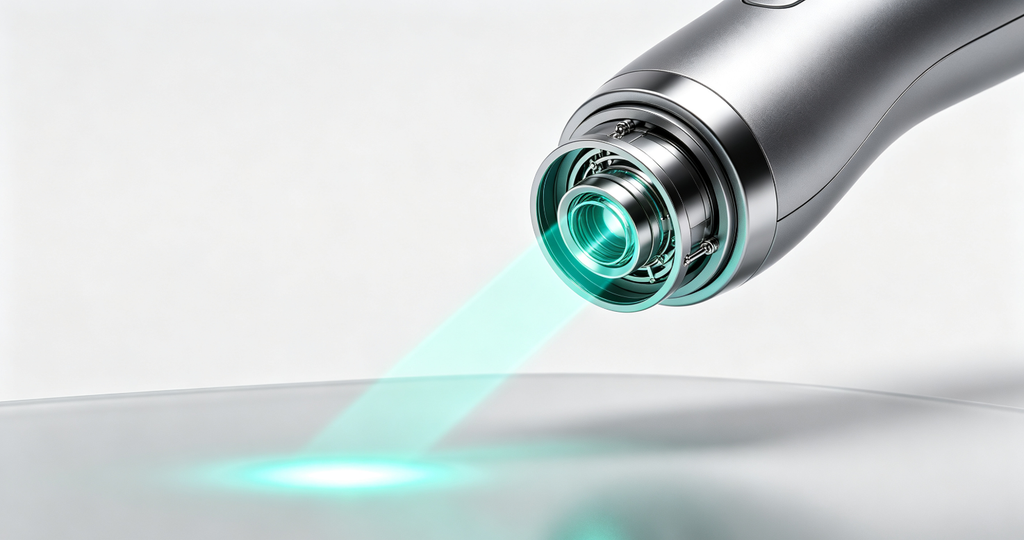
03 / HANDPIECE
Optical Handpiece Delivery
Handpiece geometry, optics, and working distance influence how energy is delivered to the treatment area. Different handpieces support different spot sizes and delivery modes.
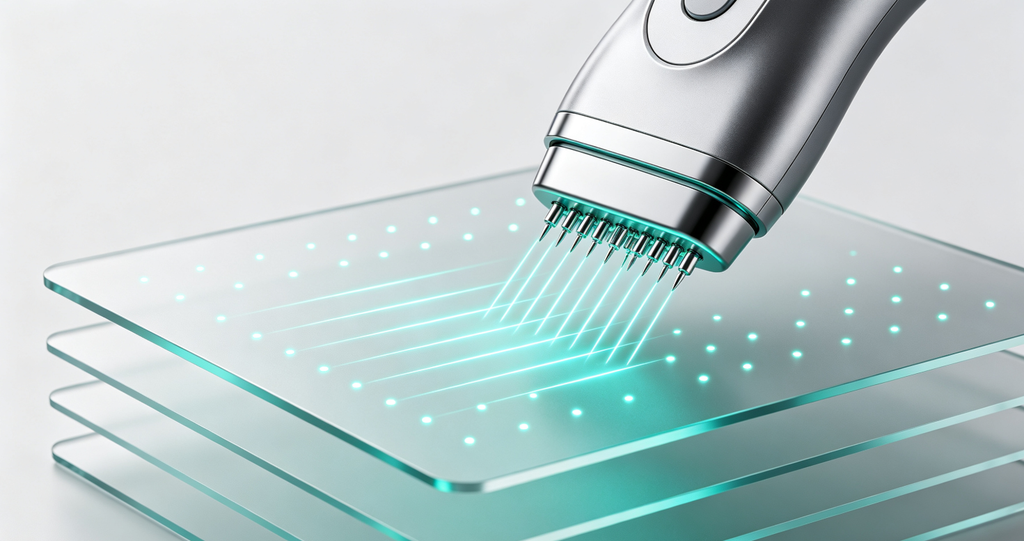
04 / ARRAY
Array-Based Delivery
Multiple energy points or electrodes deliver energy through a defined array configuration, as used in technologies such as RF microneedling. Array delivery is a different mechanism from optical scanning.
Scanning describes how the beam is positioned and delivered. The laser source determines the type of laser, while the scanner or handpiece controls aspects of its spatial delivery. Array delivery uses a different mechanism and is relevant to non-laser energy platforms.
04 / Related Equipment
Explore the systems
behind the delivery.
These ZENI equipment categories include scanner, optical handpiece, or array-based delivery functions. Request the exact delivery configuration, supported modes, and available accessories for the model you are considering.

SCANNING
FRACTIONAL SCANNER
CO₂ Fractional Laser System
Fractional CO₂ platform with scanner-guided delivery. Request the scan patterns, supported handpieces, and configuration details for your selected model.
VIEW CO₂ EQUIPMENT →


07 / Common Questions
Before choosing
a delivery system.
Discuss your energy
delivery requirements.
Share your equipment needs, target market, and application focus to explore suitable platform and handpiece configurations.