
ZENI / Ultrasound Technology
Ultrasound
Technology.
Explore how acoustic energy, transducer design, and controlled delivery come together in professional aesthetic ultrasound systems.
Acoustic Energy · Focus · Control
01 / The Fundamentals
Sound energy.
Application-focused design.
Ultrasound uses sound waves above the range of human hearing. In medical equipment, acoustic energy can be used for imaging or therapeutic purposes. These are different uses, and an aesthetic treatment system should not be assumed to include diagnostic imaging.
For professional buyers, the important questions are how the system generates and delivers energy, which applications are documented, and what training and support are provided.
02 / Key Considerations
Evaluate the complete
ultrasound platform.
Compare transducers, delivery characteristics, controls, and documented applications together when selecting equipment.
01 / TRANSDUCER
Acoustic source
Review the operating frequency, transducer design, and available handpieces. Similar names do not establish equivalent performance.
02 / FOCUS
Delivery geometry
Check whether the ultrasound is focused, how the focal region is specified, and which cartridges or transducers are supported.
03 / CONTROL
Energy and workflow
Request the output specifications, available operating modes, and control functions for the exact model under consideration.
04 / SUPPORT
Operation and service
Compare consumable availability, cartridge life, maintenance, training, warranty, and service arrangements.
03 / Focused Ultrasound
Understand the role
of HIFU technology.
HIFU stands for high-intensity focused ultrasound. Focused systems concentrate acoustic energy in a defined region; the intended effect depends on the equipment design and its operating parameters.
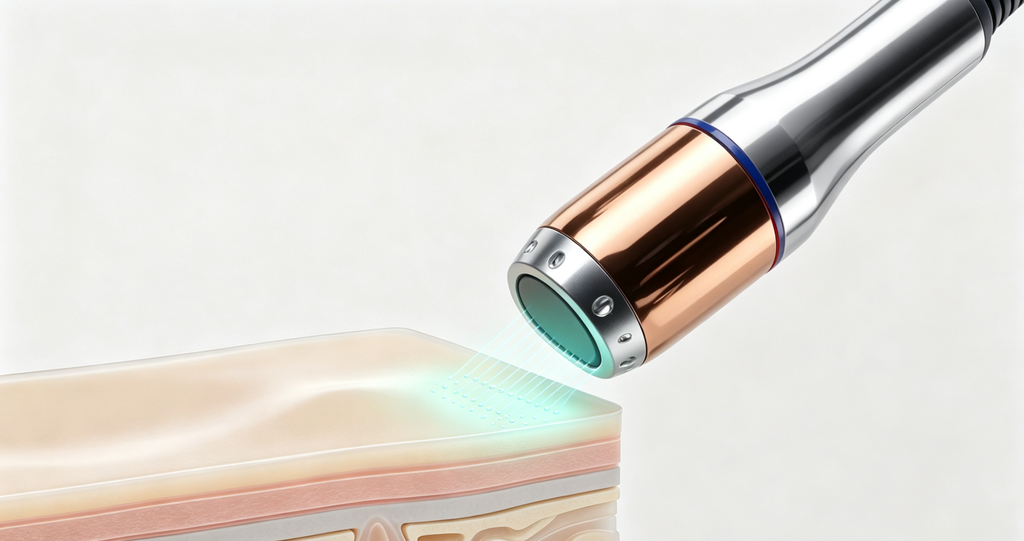
01 / TREATMENT PLATFORM
Aesthetic ultrasound
Focused ultrasound is used in certain professional skin-tightening treatments. Product indications, supported areas, and user requirements must be checked for the specific device.
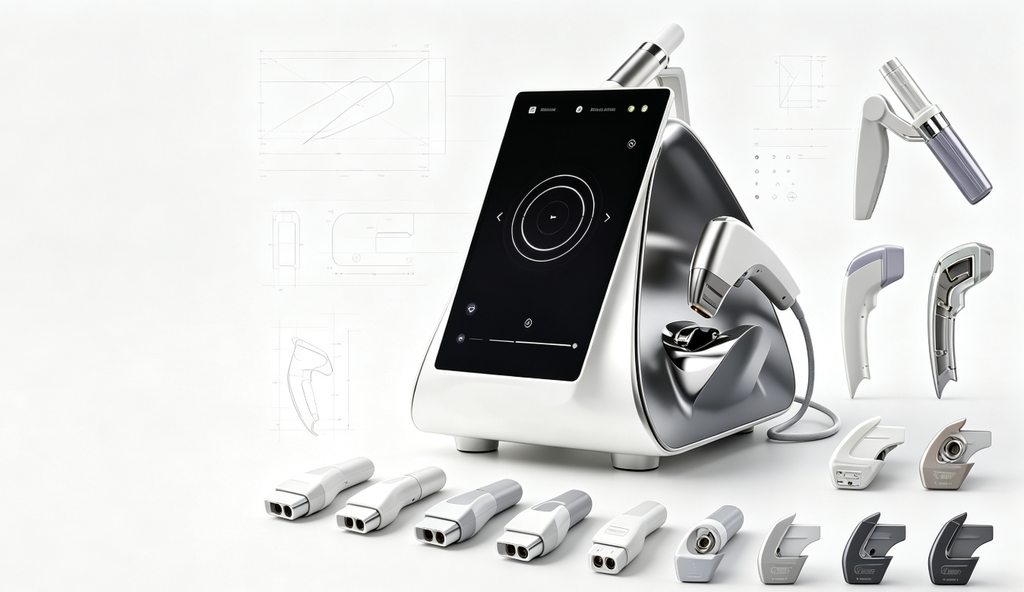
02 / EQUIPMENT SELECTION
Verify the configuration
Confirm the cartridge set, transducer specifications, and available functions in the product documentation. Imaging, multiple treatment areas, and particular focal depths are not features of every platform.
External references explain the technology generally. They do not establish certification, clinical equivalence, or performance of a particular ZENI model.
04 / Related Equipment
Explore the systems
behind the technology.
Discover professional HIFU equipment and request the configuration details for the model that fits your market and application focus.

HIFU SYSTEMS
FOCUSED ULTRASOUND PLATFORMS
HIFU Systems
Explore professional focused ultrasound equipment. Request the exact model specifications, supported applications, and available configurations.
VIEW SYSTEMS →


07 / Common Questions
Before choosing
an ultrasound system.
Discuss your ultrasound
equipment requirements.
Share your application focus, market, and product needs. Our team can help you explore suitable equipment information and configurations.