
ZENI / Technology
Electromagnetic Technology.
From field generation to platform design.
Explore the engineering principles behind electromagnetic stimulation, from field generation and waveform control to applicator architecture, platform configuration, and system operation for professional aesthetic equipment.
What is electromagnetic technology in aesthetic equipment?
Electromagnetic technology uses controlled, time-varying electromagnetic fields to induce electrical activity in excitable tissue. In professional aesthetic equipment, platform behavior depends on field characteristics, waveform, applicator design, output control, and system configuration.
Electromagnetic stimulation,
from field generation to muscle response.
An electromagnetic platform is more than a generator. The interaction between the control system, electromagnetic source, applicator architecture, field distribution, and output parameters determines how the platform operates.

01
Control System
Defines operating parameters and user controls for the platform configuration.
02
Electromagnetic Generator
Produces the controlled electromagnetic output according to the programmed parameters.
03
Applicator / Coil
Transfers the generated field toward the treatment area. Geometry affects field distribution.
04
Changing Electromagnetic Field
Creates the time-varying field around the applicator according to the platform’s waveform.
05
Induced Electrical Activity
Interacts with excitable tissue within the field, which can result in involuntary muscle contractions.
06
Muscle Response
Depends on field characteristics, stimulation parameters, applicator configuration, and the treated area.
What to review
in an electromagnetic platform.
A meaningful technical comparison should look beyond a single output number. Field architecture, applicator design, control systems, safety features, documentation, and service support all influence the overall equipment configuration.
01
Field Output
Review how electromagnetic output is generated, controlled, and specified. When numerical specifications are provided, confirm the measurement conditions and applicable test method.
02
Frequency
Frequency characteristics can influence how a platform operates. Compare the actual operating range and control architecture rather than relying on a single headline value.
03
Waveform
Waveform structure, pulse characteristics, repetition behavior, and modulation can be relevant when assessing the technical architecture of an electromagnetic system.
04
Applicator
Applicator geometry, coil or electrode configuration, contact design, positioning, and serviceability can influence practical system operation.
05
Treatment Area
Applicator dimensions and system configuration determine which treatment areas can be addressed and how the platform is positioned during operation.
06
Cooling
Where cooling is incorporated, evaluate its purpose, control method, operating range, and relationship to the applicator and treatment workflow.
07
Control System
The interface should provide appropriate control of energy, intensity, timing, operating modes, and other model-specific parameters.
08
Safety
Review hardware protections, software controls, emergency functions, applicator monitoring, operating limits, and relevant documentation.
09
Documentation
Technical specifications, manuals, labeling, test reports, quality documentation, and market-specific regulatory materials should be available according to project requirements.
10
Service
Consider training, installation support, spare parts, maintenance procedures, warranty structure, and long-term technical support.
03 / How to Compare
What to review when comparing
electromagnetic platforms.
Different platforms may use similar terminology while having different engineering configurations. A structured review makes it easier to understand the actual differences between systems.
Field Specification
Ask how field output is defined, measured, controlled, and documented. Compare specifications under equivalent conditions wherever possible.
Applicator Configuration
Review applicator type, geometry, field distribution, positioning, interchangeable components, and maintenance requirements.
Training and Safety
Evaluate operating instructions, user training, safety controls, contraindication information, and model-specific documentation.
Service and Consumables
Confirm spare-parts availability, service response, warranty terms, consumable requirements, and support for the target market.
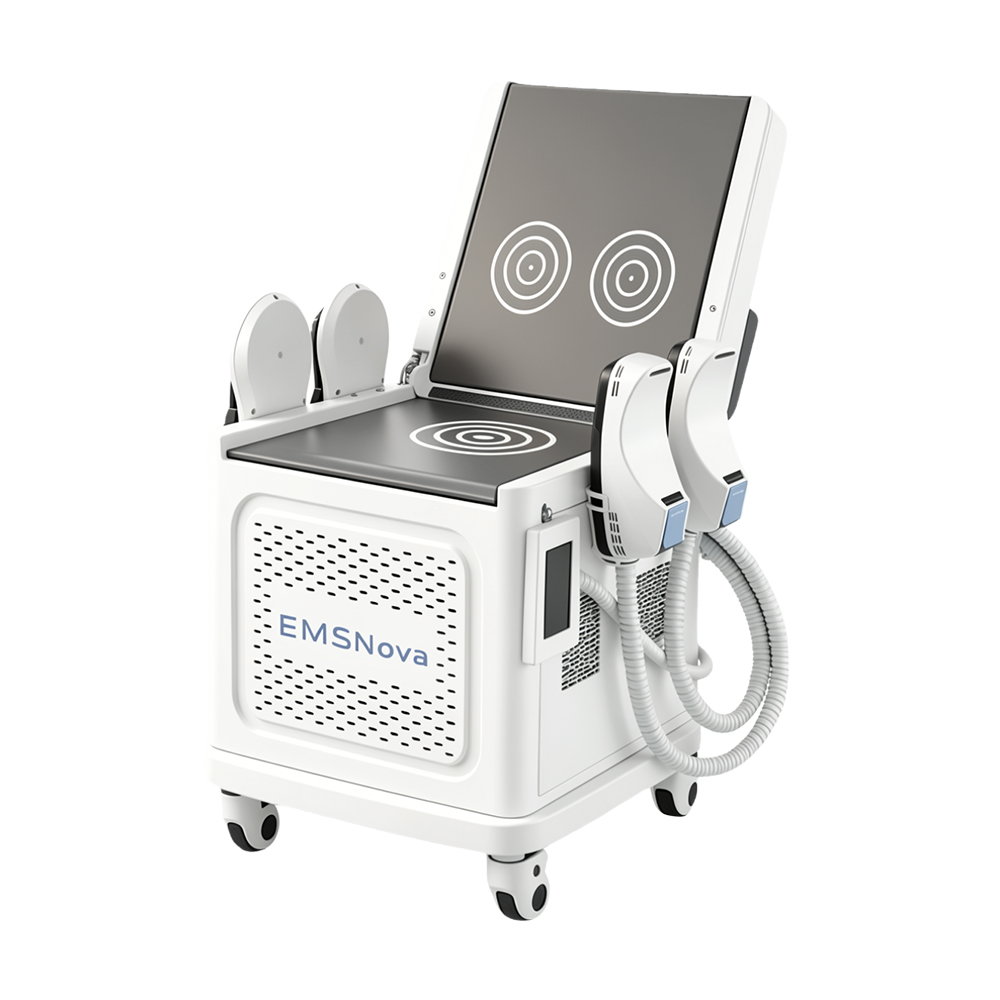
Explore Our RF + EMS Equipment
Explore our RF + EMS equipment and open the product details to review available configurations and applicators.
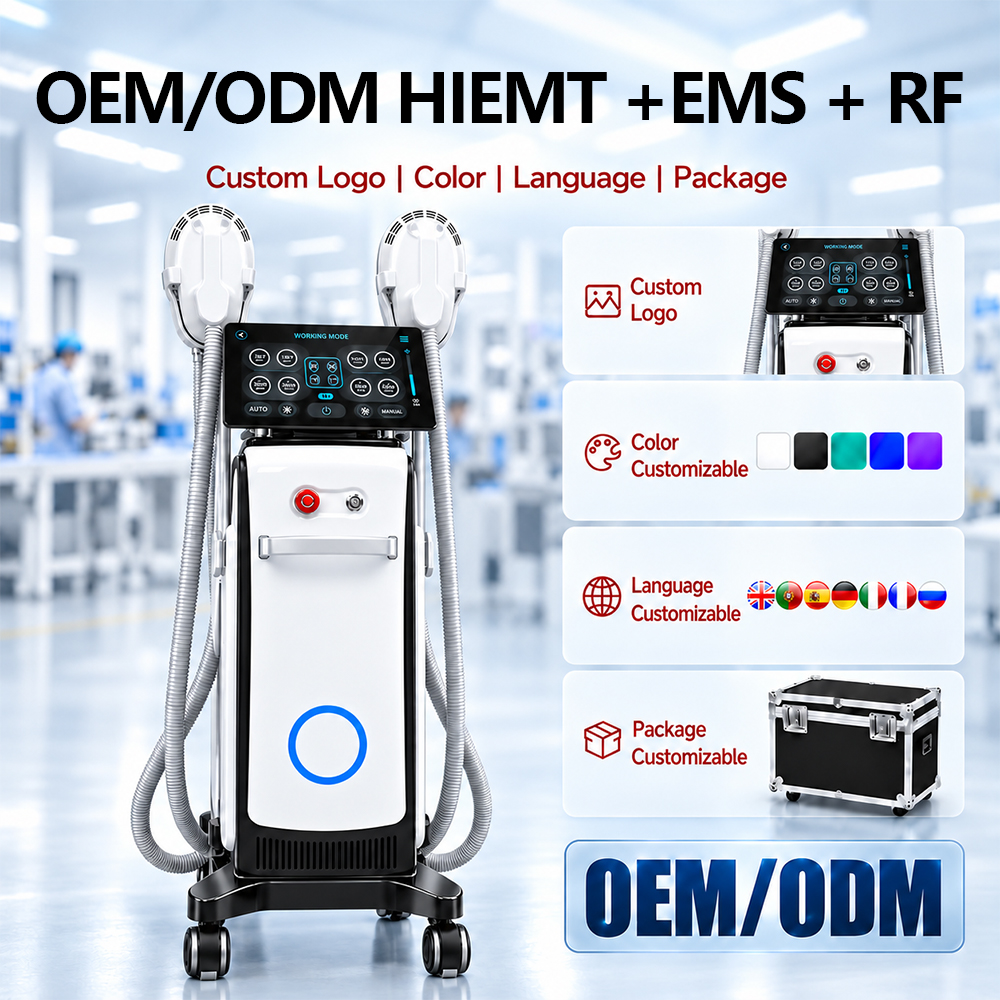

Need a customized configuration? Discuss branding and configuration options for your RF + EMS equipment. Explore OEM / ODM →
Electromagnetic technology,
answered directly.
Common technical and purchasing questions about electromagnetic stimulation platforms and aesthetic equipment.
Discuss your electromagnetic
equipment requirements.
Whether you are evaluating an existing platform, developing a new product, or planning an OEM / ODM project, ZENI can discuss the technical configuration and manufacturing requirements with you.