


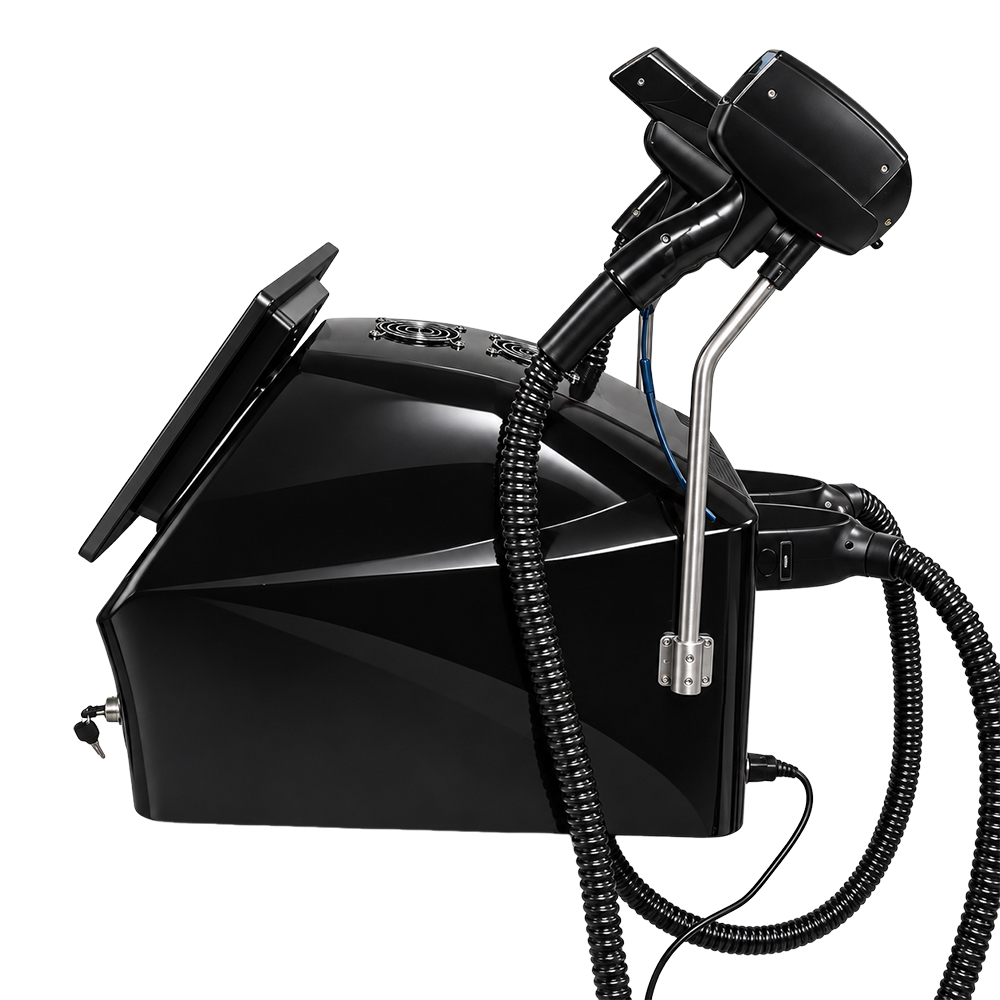
5000W 2 in 1 Laser Hair Removal & Picosecond Device – 6Bar+FAC to 10Bar+FAC | ZENI

$1,480.00

🚢
Free Shipping
3-5 days · Tracking

🛡️
After-Sales Support
2-year service · Tech support

✅
CE Certified
Professional grade

Get instant quote & assistance

100 in stock

Description

ZENI · 5000W 2-IN-1 · DIODE + PICOSECOND

The Sweet Spot of Power and Precision.

The 5000W 2 in 1 laser hair removal picosecond device brings a focused upgrade matrix to your clinic: 6Bar+FAC, 10Bar, and the highly sought-after 10Bar+FAC. This intermediate configuration delivers higher output power than the base model while retaining the Fast Axis Collimation (FAC) lenses that maintain fiber coupling efficiency at approximately 89%. With 4 to 6 wavelengths and a dedicated picosecond handpiece, it handles both diode hair removal and tattoo/pigment clearance. Clinical data: 808nm diode achieves 57.9% mean hair reduction after three sessions; 1064nm picosecond delivers 78.1% excellent tattoo clearance versus 54.4% for nanosecond systems.

10BAR+FAC BALANCE

Power Meets Precision

The 10Bar+FAC option offers more power than 6Bar, with FAC collimation retained for ~89% fiber coupling efficiency.

DUAL MODALITY

Diode + Picosecond

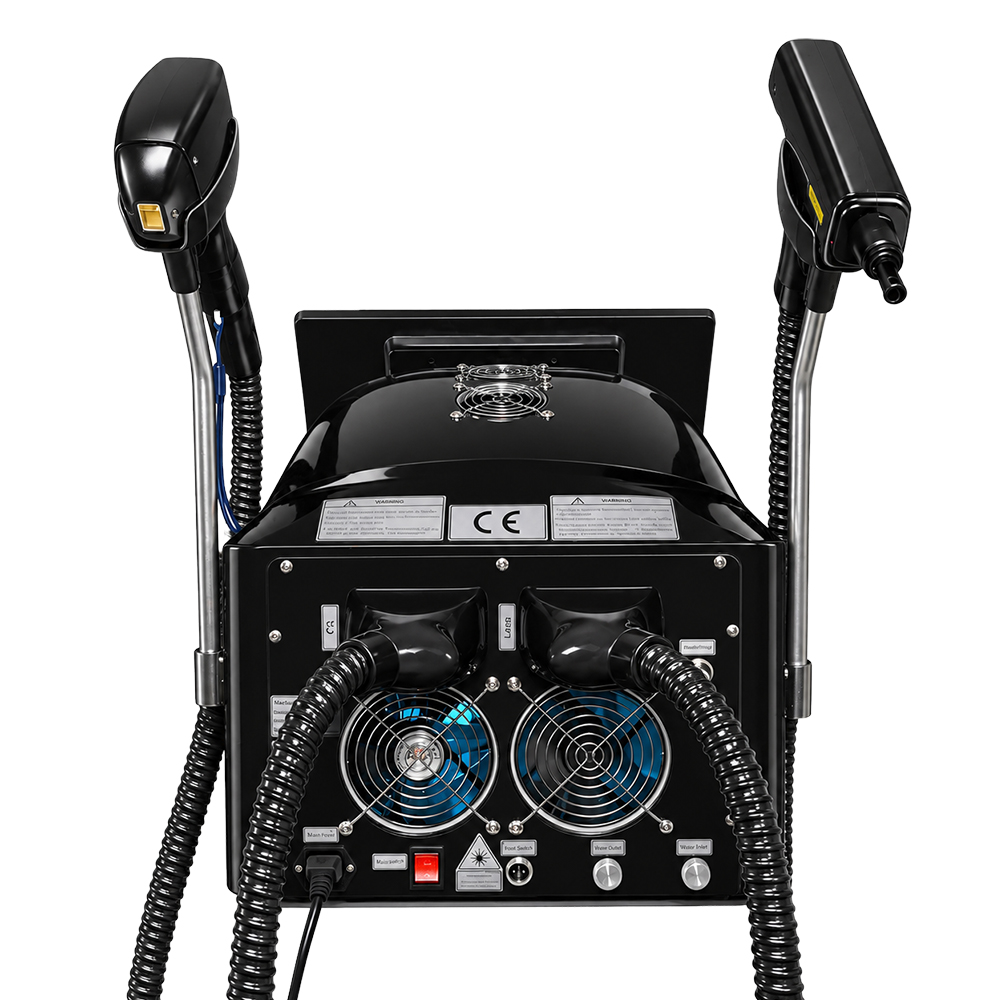
808nm diode for hair removal; dedicated picosecond handpiece for tattoo and pigment clearance.

4–6 WAVELENGTHS

Spectral Flexibility

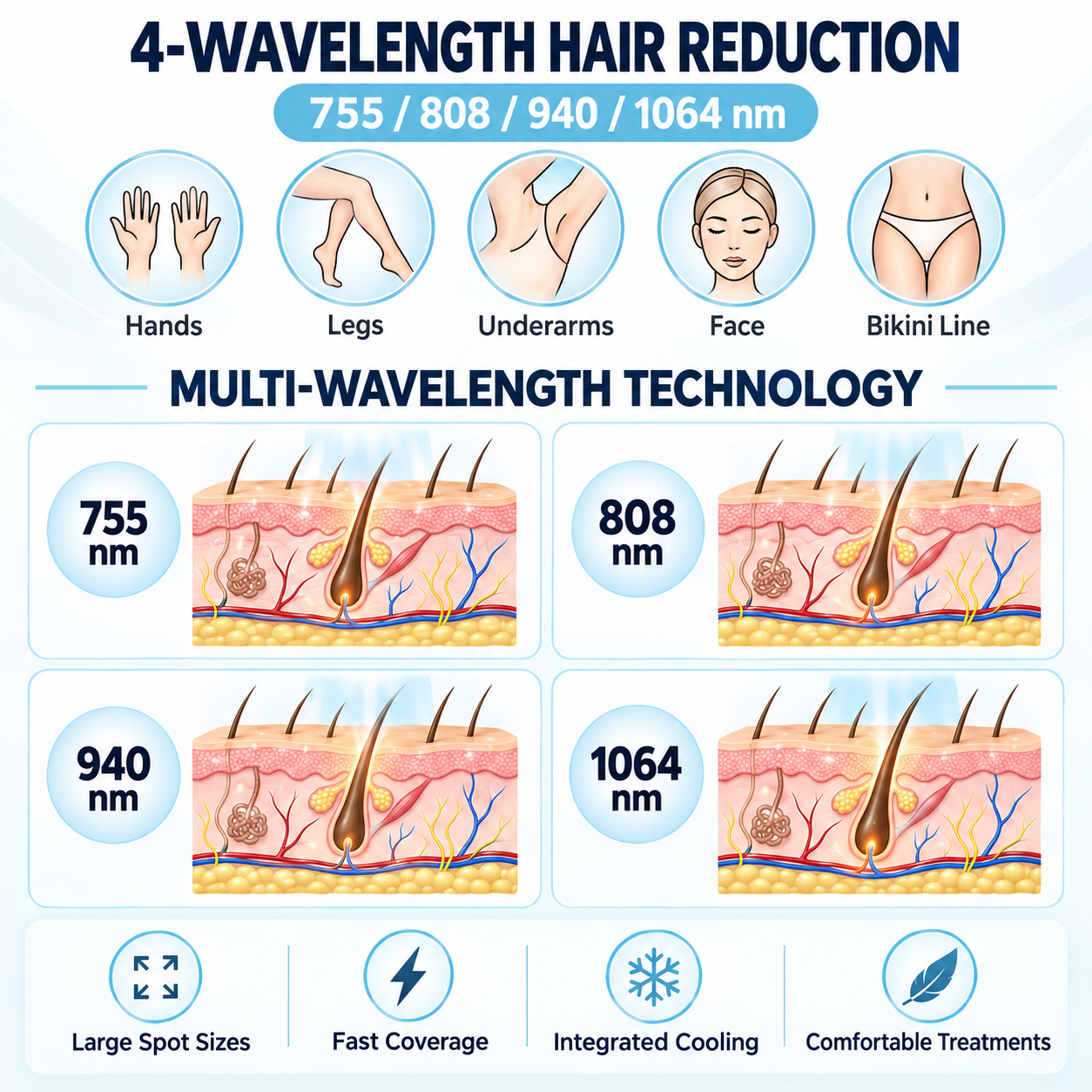
Start with 4 wavelengths or upgrade to 6 for broader Fitzpatrick skin type and hair color coverage.

CLINICAL REFERENCE

57.9% / 78.1%

57.9% hair reduction after 3 sessions (Fitzpatrick IV–VI); 78.1% excellent tattoo clearance with picosecond 1064nm.

Why the 10Bar+FAC Configuration Is the Smart Choice

Many clinics face a dilemma when choosing a laser stack: the 10Bar configuration offers higher power than the 6Bar base, but without FAC lenses, the raw beam divergence can reduce fiber coupling efficiency. The 10Bar+FAC configuration solves this by pairing the higher Bar count with Fast Axis Collimation. Experimental data shows that a 4μm displacement error in the FAC lens can reduce coupling efficiency by 78.5%. By selecting 10Bar+FAC, you get more usable energy delivered to the skin for faster treatment and consistent spot uniformity, without paying the full premium of the 16Bar flagship. Beyond the Bar options, the platform supports 4 to 6 wavelengths, allowing operators to match specific chromophore absorption profiles. Clinical data backs both modalities: 808nm diode laser achieves 57.9% mean hair reduction after three sessions in Fitzpatrick IV–VI skin, with 100% patient satisfaction. On the picosecond side, 1064nm laser achieves 78.1% excellent tattoo clearance versus 54.4% for Q-switched nanosecond systems, with a median of 3 sessions versus 4 (p=0.020). A 755nm picosecond randomized split-tattoo trial reported satisfactory clearance in 73.3% of cases versus 23.3% for nanosecond lasers (p=0.0003). By offering 6Bar+FAC, 10Bar, and 10Bar+FAC, this device lets you choose the exact balance of power and beam quality your clinic needs. Explore our hair reduction equipment for related service planning.

01 / Treatment Applications

Diode Laser Hair Removal

The 808nm diode handpiece targets melanin in the hair follicle. Clinical data in Fitzpatrick IV–VI skin shows 57.9% mean hair reduction in the underarm and 56.7% in the chin after three sessions, with 100% patient satisfaction and no cases of keloid formation, scarring, infection or pigmentary changes. The 4–6 wavelength configuration allows operators to tailor treatment across different skin types and hair colors. Common treatment areas include underarms, bikini line, legs, arms, back, chest and face. Multiple sessions are typically required because hair grows in cycles.

Picosecond Tattoo Removal

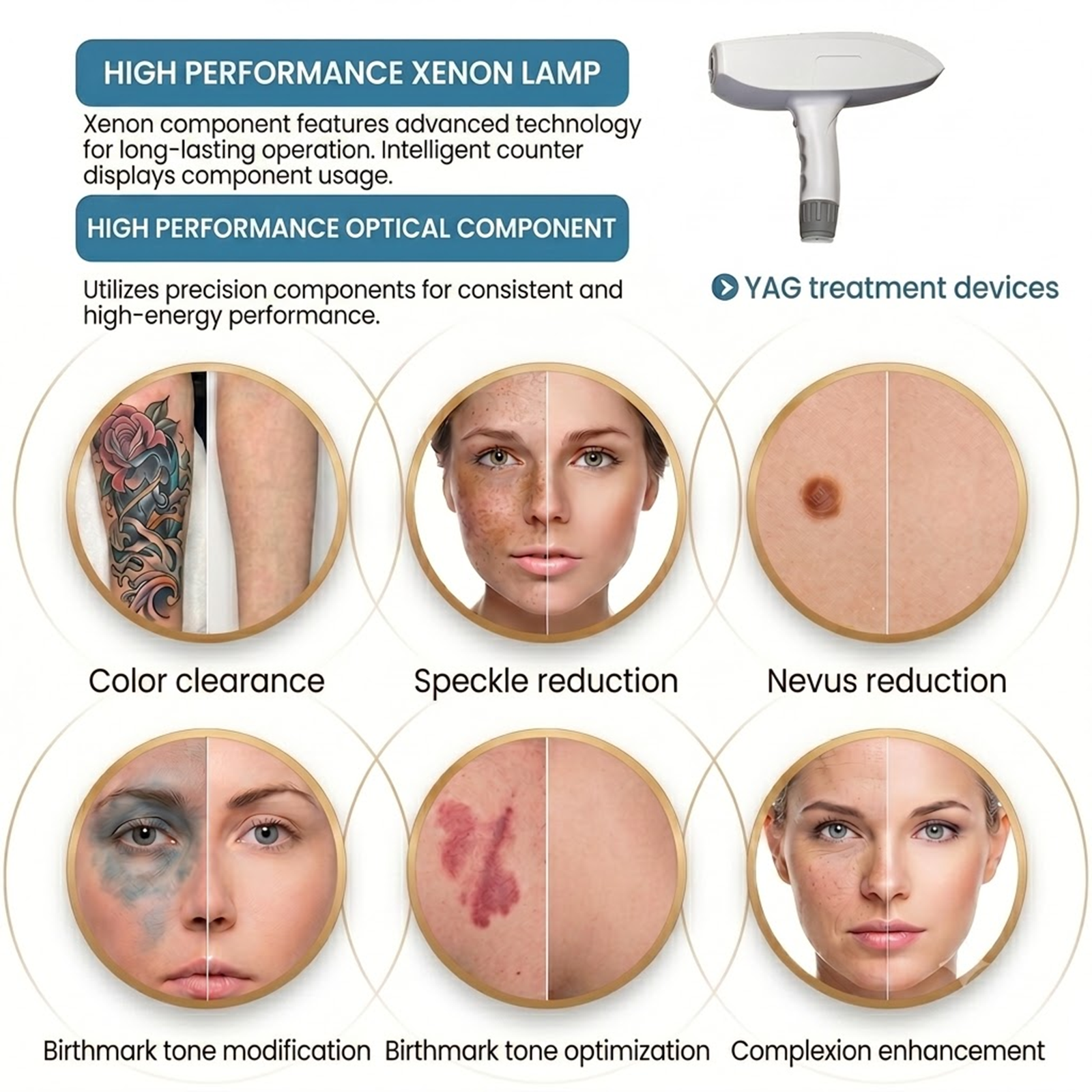
The dedicated picosecond handpiece delivers ultra-short pulses that shatter tattoo ink through a photoacoustic effect. Clinical comparisons demonstrate superior clearance versus nanosecond systems: 1064nm picosecond laser achieves 78.1% excellent clearance versus 54.4% for Q-switched nanosecond (p=0.029), with a median of 3 sessions versus 4 (p=0.020). A 755nm randomized split-tattoo trial reported satisfactory clearance in 73.3% of picosecond cases versus 23.3% for nanosecond (p=0.0003). Ink colour, depth and tattoo history affect treatment planning and the number of sessions required.

Pigment Removal & Skin Rejuvenation

The picosecond handpiece also addresses benign pigmented lesions, freckles, sun spots and uneven skin tone. The photoacoustic mechanism breaks pigment particles into smaller fragments for immune clearance. Depending on the wavelength configuration included with the selected package, the platform can support pigment-focused and skin rejuvenation protocols alongside hair and tattoo removal.

Scalable Treatment Capacity

The three-configuration matrix (6Bar+FAC, 10Bar, 10Bar+FAC) allows a clinic to choose the precise balance of power and beam quality. 6Bar+FAC is the entry point for cost-sensitive clinics. 10Bar is the choice for pure power where FAC is not required. 10Bar+FAC is the sweet spot for clinics that need more power without sacrificing FAC collimation.

02 / How the Upgradeable Platform Works

The Three Configurations Explained

The 5000W power supply supports three diode stack configurations. 6Bar+FAC is the entry configuration with FAC collimation. 10Bar increases total power without FAC lenses. 10Bar+FAC combines the higher Bar count with FAC collimation, maintaining approximately 89% fiber coupling efficiency while delivering more power than the 6Bar base.

FAC Technology and Alignment Precision

FAC (Fast Axis Collimation) lenses collimate the fast axis of each laser bar, focusing the beam for efficient fiber coupling. Experimental data shows coupling efficiency can reach 89% with properly aligned FAC optics, and a 4μm displacement error can reduce efficiency by 78.5%. The 6Bar+FAC and 10Bar+FAC configurations include FAC; the 10Bar configuration does not.

Picosecond Laser Mechanism

Picosecond lasers deliver pulses in the trillionths of a second, creating a photoacoustic pressure wave that shatters tattoo ink and pigment particles into smaller fragments. This mechanical fragmentation allows the body’s immune system to clear the particles more efficiently than purely photothermal nanosecond systems, which is why clinical comparisons consistently show higher excellent clearance rates and fewer sessions for picosecond lasers. Learn more about tattoo and pigment removal equipment for clinical background.

03 / Product Configuration
System Type 2-in-1 diode + picosecond laser platform
Power Supply 5000W
Upgradeable Configurations 6Bar+FAC / 10Bar / 10Bar+FAC
Wavelengths 4–6 wavelengths (exact combination to be confirmed)
Core Applications Hair removal, tattoo removal, pigment removal
Certification CE certified

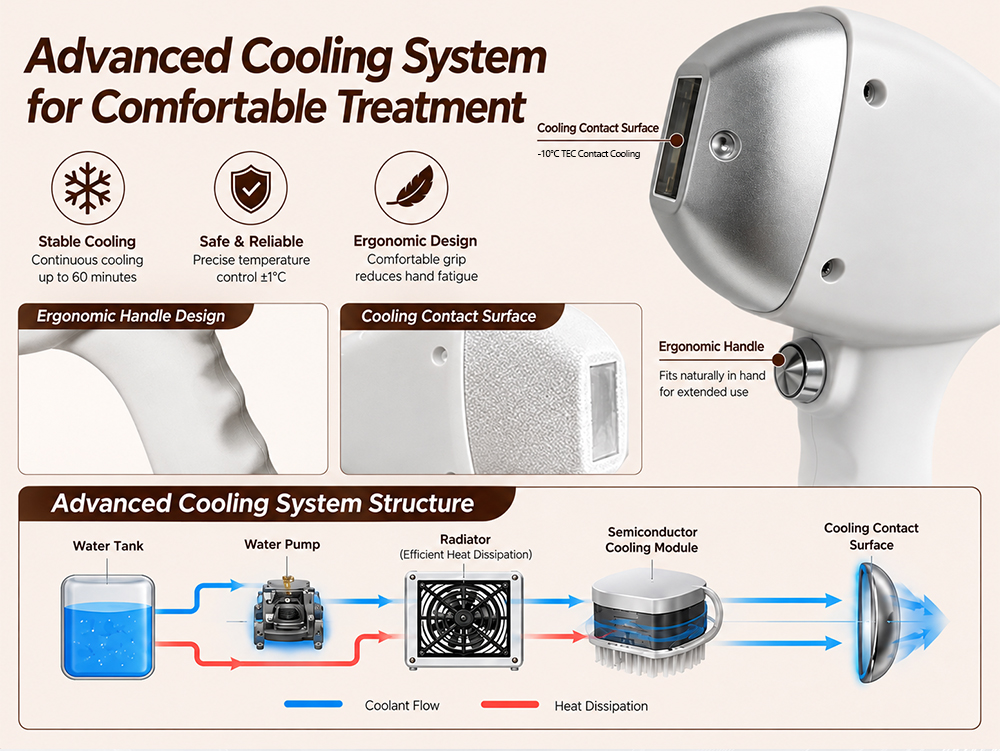
Per-handle output power, diode wavelength combination, picosecond wavelength options, pulse duration, spot size, screen size, cooling system, dimensions, weight and voltage should be confirmed in the model-specific specification sheet for the selected Bar/FAC configuration.

04 / Buyer Questions

What are the three Bar/FAC configurations, and why does 10Bar+FAC matter?

The three options are 6Bar+FAC, 10Bar, and 10Bar+FAC. 10Bar+FAC matters because it is the only intermediate configuration that combines a higher Bar count with FAC collimation. The 10Bar configuration offers more power than 6Bar but lacks FAC, which can reduce fiber coupling efficiency. 10Bar+FAC delivers the power benefit while maintaining the ~89% coupling efficiency that FAC provides.

What clinical evidence supports the hair removal and tattoo removal applications?

For hair removal: 808nm diode laser achieves 57.9% mean hair reduction after three sessions in Fitzpatrick IV–VI skin, with 100% patient satisfaction and no cases of keloid formation, scarring, infection or pigmentary changes. For tattoo removal: 1064nm picosecond laser achieves 78.1% excellent clearance versus 54.4% for nanosecond systems, with fewer median sessions (3 vs. 4, p=0.020); 755nm picosecond achieved satisfactory clearance in 73.3% of cases versus 23.3% for nanosecond (p=0.0003).

Why does FAC alignment precision matter so much?

FAC lenses are micro-optics that must be aligned with extreme precision. Experimental data shows that a 4μm displacement error in the FAC lens can reduce fiber coupling efficiency by 78.5%. When FAC is properly aligned, coupling efficiency can reach 89%. This is why the FAC-equipped configurations (6Bar+FAC, 10Bar+FAC) are worth considering over the non-FAC 10Bar option for clinics that prioritise energy efficiency and spot uniformity.

How does this differ from ZENI’s other 5000W 2-in-1 models?

This model offers three specific configurations: 6Bar+FAC, 10Bar, and 10Bar+FAC. Other models in the series may offer 16Bar options, TEC cooling, magnetic handles, or a fixed 6-wavelength configuration. This model is the most focused option for clinics that want to balance power and beam quality without the premium of the 16Bar flagship or the complexity of additional handle features.

What should I request with the quotation?

Ask for the model-specific specification sheet covering the selected Bar/FAC configuration, diode wavelength combination, picosecond wavelength options, per-handle output power, pulse duration, spot size, screen size, cooling system, dimensions, weight and voltage. Confirm the complete accessory list including both handpieces, protective eyewear and power cord. Verify CE or relevant certification documentation for your market.

3 CONFIGURATIONS · 10BAR+FAC SWEET SPOT · 4–6 WAVELENGTHS

Choose the Exact Balance of Power and Precision

Contact ZENI with your target Bar/FAC configuration, wavelength requirements, treatment volume and order quantity. Request a quotation covering the system, selected upgrade path, both handpieces, accessories and support needed for your hair removal and tattoo removal services.

Reviews

There are no reviews yet.

Be the first to review “5000W 2 in 1 Laser Hair Removal & Picosecond Device – 6Bar+FAC to 10Bar+FAC | ZENI”

Your email address will not be published. Required fields are marked *